How Sports Science Is Giving Athletes a New Competitive Edge
News by NextPlayReport
Modern sports are no longer shaped by talent alone. Across basketball, football, baseball and soccer, teams are investing heavily in sports science to help athletes perform better, recover faster and reduce the risk of injuries.
From wearable technology to advanced recovery methods, the way professional athletes prepare for competition has changed dramatically. For fans across the United States, these innovations are becoming an important part of the story behind every game.
Training Is Becoming More Data-Driven
Professional teams now collect enormous amounts of performance data.
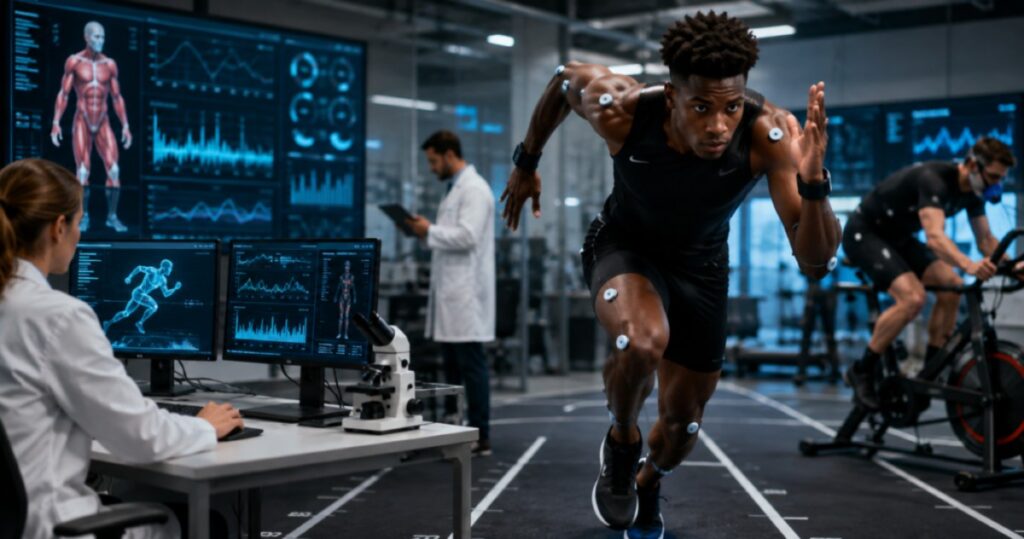
Coaches and performance specialists monitor speed, workload, heart rate and movement patterns to understand how an athlete is responding to training. Instead of relying only on experience, teams can make decisions using real-time information.
This approach helps athletes stay prepared without pushing their bodies beyond safe limits.
Recovery Has Become a Priority
Elite athletes spend nearly as much time recovering as they do training.
Recovery programs often include:
- Cold-water therapy
- Stretching and mobility sessions
- Nutrition planning
- Sleep monitoring
- Personalized recovery schedules
The goal is to help players return to peak performance while reducing fatigue during long seasons.
Technology Is Changing Every Major Sport
Sports science is influencing nearly every professional league.
NBA teams use movement tracking to improve player efficiency, NFL organizations monitor workloads during training camps, and MLB clubs analyze biomechanics to help pitchers and hitters perform more consistently.
Even soccer clubs increasingly rely on GPS tracking and performance analytics during practices.
Injury Prevention Matters More Than Ever
Long seasons create physical challenges for every athlete.
Teams now focus on identifying potential injury risks before they become serious problems. By studying movement patterns and workload, medical staffs can adjust training plans when players show signs of excessive fatigue.
While injuries cannot always be prevented, better preparation can help reduce unnecessary risks.
Young Athletes Are Benefiting Too
The impact of sports science is no longer limited to professionals.
High school and college athletes now have greater access to strength training programs, nutrition guidance and performance tracking tools that were once available only to elite teams.
That development is helping young players build healthier habits earlier in their careers.
What Comes Next?
Sports science continues to evolve as artificial intelligence, wearable devices and performance analytics become more advanced.
Future training programs could become even more personalized, allowing athletes to receive recommendations based on real-time data collected throughout practices and games.
The balance between technology and human coaching will likely become one of the biggest trends in professional sports.
Final Take
Sports science has become one of the biggest competitive advantages in modern athletics.
The teams that combine elite talent with smarter training and recovery strategies may gain an edge that goes far beyond what fans see during the game. As technology continues to improve, the future of sports will be shaped as much by innovation as by athletic ability.